Insurance RV Housing
Insurance RV housing provides a practical solution for families whose homes are unlivable due to fire, flood, storm damage, or major repairs. When a property cannot be safely occupied, temporary housing becomes necessary to maintain stability during the rebuilding process.
Need insurance RV housing? Call now or contact us to discuss your situation.
RVHousingPros provides temporary RV housing for insurance-related displacement, allowing homeowners to remain on or near their property while repairs are underway. This approach is especially useful for longer claims where traditional housing options are not practical or available, and where staying close to the property helps keep the rebuild on track.
How Insurance RV Housing Works
When a home becomes uninhabitable, most homeowners insurance policies include Loss of Use (ALE) coverage. This coverage is designed to pay for temporary housing while repairs are completed.
RV housing may be approved when:
Hotel stays become long-term
Short-term rentals are unavailable or impractical
Staying near the property is necessary
Reconstruction is expected to take several months
In these situations, RV housing provides a flexible solution that can remain in place throughout the duration of the rebuild. Instead of moving multiple times between temporary locations, families can stay in one consistent setup.
Temporary Housing Options vs Hotels
Hotels are often the first option used after a loss, but they are typically not designed for extended stays. Limited space, lack of cooking facilities, and frequent relocations between bookings can make long-term hotel living difficult.
For insurance claims that extend over several months, hotel living can quickly become impractical. Families often deal with limited storage, restricted daily routines, and the stress of changing locations as availability shifts.
RV housing offers a more consistent alternative. Staying on your property or nearby allows for better coordination with contractors, fewer disruptions to daily routines, and a more stable living environment during repairs.
Temporary Housing When You Have Pets
Pets can make temporary housing decisions more complicated. Many hotels restrict the number, size, or type of animals allowed, which can limit available options and create additional stress for families.
RV housing allows homeowners to remain with their pets without needing to find separate accommodations. This becomes especially important during longer claims, where keeping routines consistent can help reduce disruption for both families and animals.
What Insurance May Cover
Insurance coverage for RV housing may include:
RV housing costs
Delivery and setup
Extended stays during rebuilding
Removal once housing is no longer needed
Coverage depends on the specific policy, claim details, and adjuster approval. Temporary housing is typically evaluated based on what is reasonable for the scope and duration of repairs.
In longer or more complex claims, adjusters often look for housing solutions that provide consistency and align with the expected rebuild timeline. When rental options are limited or do not fit the situation, RV housing may be considered a practical alternative.
Working With Adjusters
RVHousingPros works with homeowners after coverage is confirmed, helping provide the information needed to support housing placement. This may include delivery details, setup requirements, and expected duration based on the rebuild timeline.
We focus on aligning housing placement with real-world conditions, so the setup matches how the project will actually progress. This helps reduce delays and avoids unnecessary changes during the claim.
Why RV Housing Is Often Approved
RV housing is often approved because it aligns well with the needs of longer-term displacement. It allows families to remain close to their property while avoiding the challenges of extended hotel stays or limited rental availability. It is especially useful when:
Repairs will take several weeks or months
Rental options are limited or unavailable
The property is in a rural or less accessible area
Consistency is needed throughout the rebuild process
In many cases, this type of setup simplifies the housing portion of the claim by providing one stable solution from start to finish.
Can You Stay on Your Property During Insurance Repairs?
In many cases, staying on your property during repairs may be possible, depending on site conditions and available utilities. Access to power, water, and sewer or septic connections is typically required for on-site RV setup.
Property layout, access for delivery, and available space all play a role in determining whether placement is feasible. Each property is reviewed to ensure safe and proper setup.
How Long Can Insurance RV Housing Last?
The duration of temporary housing depends on the repair timeline. Some claims may resolve in a few weeks, while others—especially those involving significant damage—can extend for several months.
Delays related to inspections, permitting, or contractor scheduling can also extend timelines. Because of this, a housing solution that remains consistent throughout the process is often the most practical choice.
RV housing is well suited for these longer durations, allowing families to remain in place without repeated relocations.
How RVHousingPros Helps
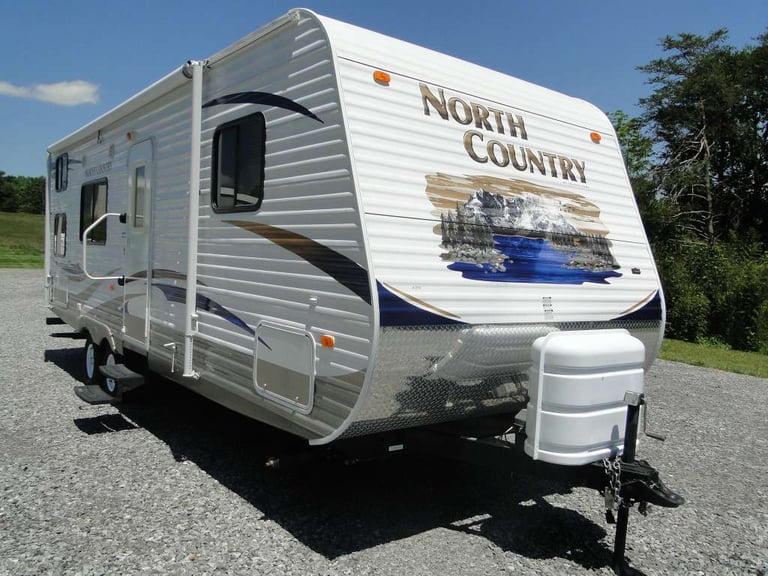
RVHousingPros provides insurance-based temporary RV housing using company-owned travel trailers. Homeowners work directly with us from the first call through delivery and setup. We assist with:
Reviewing your situation
Confirming availability
Working within approved insurance coverage
Handling delivery and setup logistics
Our goal is to provide a reliable and practical housing solution during the insurance repair process.
Areas We Commonly Serve
We provide temporary RV housing across North Carolina, South Carolina, and parts of the Southeast, including cities such as:
Winston-Salem, Concord, Myrtle Beach, Atlanta, Gastonia
Related Temporary Housing Services
Temporary RV Housing — Done Right.
Helping displaced homeowners across the Carolinas.

© 2016–2026 RVHousingPros | Legal & Privacy