
How Temporary RV Housing Works
RVHousingPros provides temporary RV housing specifically for insurance-based displacement. This process is designed for homeowners whose property has become unlivable due to fire, flood, or storm damage and who have temporary housing coverage or additional living expense through their insurance policy.
Need temporary RV housing through insurance? Call now or contact us to get started.
Our approach focuses on getting housing in place that matches real-world rebuild timelines. Instead of short-term solutions, RV housing provides a stable option that allows homeowners to remain on or near their property throughout the repair process.
Step 1: Initial Contact and Situation Review
The process begins when you reach out with details about your situation. This helps determine whether RV temporary housing is a practical option based on your property, damage type, and expected timeline. Information typically includes:
Type of damage (fire, flood, hurricane, or storm)
Property location and accessibility
Insurance carrier and claim status
Adjuster contact (if available)
Estimated length of displacement
Utility availability on-site
This step helps establish whether on-site or nearby RV housing will work for your situation.
Step 2: Insurance and Housing Approval
Most homeowners insurance policies include Loss of Use (ALE) coverage, which may apply when a home is uninhabitable due to a covered loss.
Temporary housing approval depends on the policy, claim details, and adjuster review. Housing needs to align with the scope of damage and the expected repair timeline.
RVHousingPros works with homeowners after coverage is confirmed, helping ensure the housing setup fits within the conditions of the claim.
Step 3: Placement Planning and Logistics
Once housing is approved, the next step is planning the RV placement. This includes evaluating the property and determining the most practical setup based on site conditions. Key considerations include:
RV type and layout based on household needs
On-site or nearby placement options
Property access for delivery
Estimated housing duration based on rebuild timeline
Utility availability and setup requirements
This stage is focused on aligning housing with how the project will actually progress.
Step 4: RV Delivery and Setup
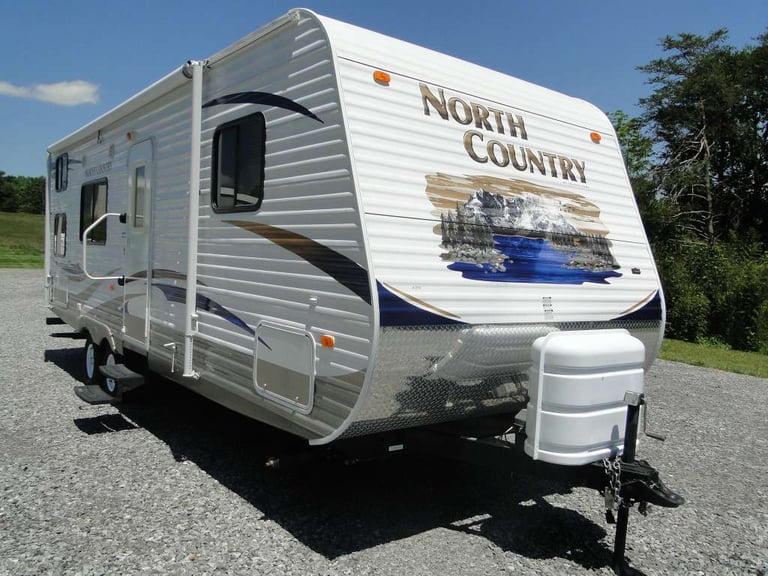
The RV is delivered and set up at the approved location. Placement is handled to ensure safe positioning and functionality for long-term use. This typically includes:
Positioning the RV on-site or nearby
Leveling and stabilizing the unit
Preparing the RV for occupancy
Providing a basic operational walkthrough
Utility hookups such as power, water, and sewer or septic are typically provided at the site. Placement is completed with consideration for safety, access, and long-term use.
Step 5: Living in the RV During Repairs
Once set up, the RV becomes your temporary living space while repairs are completed. This allows homeowners to remain close to their property during fire, flood, or storm-related rebuilds. Living on-site or nearby allows you to:
Stay involved in the repair process
Communicate easily with contractors
Maintain daily routines
Keep pets and family together
Avoid repeated moves between temporary locations
This is especially important during longer rebuild timelines, where stability and consistency make the process more manageable.
Step 6: Removal After Project Completion
When repairs are complete and the home is ready for occupancy, the RV is removed and temporary housing ends. The timing of removal is aligned with the completion of the rebuild, ensuring housing remains in place for the full duration of the project.
Who This Process Is Designed For
This process is designed for homeowners dealing with insurance-related displacement following fire, flood, hurricane, or storm damage. It is commonly used by:
Homeowners with active insurance claims
Families displaced after major property damage
Rural property owners with limited housing options
Long-term reconstruction and rebuild projects
RVHousingPros focuses exclusively on insurance-based temporary housing, providing a solution that aligns with both the claim and the realities of the rebuild process.
Related Temporary Housing Services
Temporary RV Housing — Done Right.
Helping displaced homeowners across the Carolinas.

© 2016–2026 RVHousingPros | Legal & Privacy