
FEMA RV Housing Alternative
After a major disaster, many North Carolina families are placed into FEMA housing programs while their home is being repaired or rebuilt. While FEMA assistance can be helpful, it often involves long wait times, limited availability, or placement far from your original property.
In large-scale disaster situations, demand for housing can quickly exceed supply. This can delay placement or result in temporary solutions that don’t fully meet a family’s needs, especially in rural or heavily impacted areas.
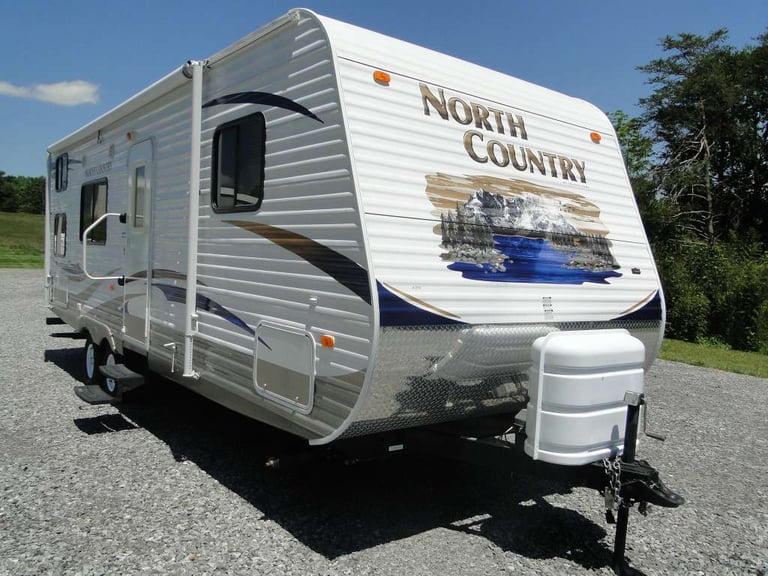
RVHousingPros provides an alternative to FEMA RV housing by providing private RV temporary housing so families can remain closer to home and avoid extended displacement. This option gives homeowners more control over where and how they live during the rebuilding process.
Why Families Look for a FEMA Alternative
Some homeowners seek alternatives to FEMA housing because:
FEMA housing wait times can be long
Placement may be far from original property
Units may not be available in your area
Living conditions may be unpredictable
Temporary solutions may change frequently
In many cases, South Carolina families want to stay close to their property to monitor repairs, meet with contractors, and maintain stability for children, pets, and daily routines. Being placed far away can create additional stress, longer commutes, and less involvement in the rebuilding process.
For families who need faster or more flexible housing, private RV temporary housing offers a practical solution that can often be arranged more quickly.
Private RV Housing vs FEMA Housing
Private RV housing allows families to:
Stay on or near their own property
Choose longer-term housing solutions
Maintain privacy and independence
Keep pets and personal belongings
Avoid frequent relocations
Unlike FEMA placements, which are assigned based on availability, private RV housing is selected based on your specific property and needs. This allows for a more consistent and predictable living arrangement during what is often a long and uncertain rebuild timeline.
Private placements also reduce the likelihood of being moved multiple times, which can happen with temporary government housing as conditions and availability change.
Insurance vs FEMA Housing
In many cases, homeowners insurance policies provide better coverage for temporary housing than FEMA programs. Insurance-based RV housing may offer:
Longer approved stays
More consistent living conditions
Greater flexibility in placement
Fewer restrictions on daily living
FEMA assistance is typically designed as a short-term solution and may have limitations on duration, eligibility, and housing type. Insurance coverage, when available, is often more aligned with the actual time required to complete repairs.
RVHousingPros can help determine whether insurance-funded RV housing is available as an alternative to FEMA assistance, and provide the information needed to support that option with your adjuster.
Utility Planning for FEMA Alternatives
Homeowners or renters are responsible for providing the necessary utility hookups at the placement location. This typically includes:
Electrical power
Water connection
Sewer or septic access
Depending on the property, temporary solutions such as generators, water tanks, or scheduled septic service may be used during the housing period.
RVHousingPros can assist with planning and provide general information on code-approved temporary utility solutions suitable for extended stays. We help identify what’s typically required so setup can happen as efficiently as possible. Final installations, permitting, and approvals are handled by licensed contractors or local authorities to ensure compliance with local regulations.
Who Uses a FEMA RV Housing Alternative
Private RV temporary housing is commonly used by:
Families affected by hurricanes
Homeowners displaced by floods or fires
Rural property owners
Insurance claimants needing long-term stability
Households seeking faster placement than FEMA
This option is especially valuable for homeowners who want to remain actively involved in their rebuild, avoid relocation, and maintain a consistent living environment. It provides a reliable option when government housing programs are limited, delayed, or unavailable, while giving families more control over their temporary housing situation.
Related Temporary Housing Services
Temporary RV Housing — Done Right.
Helping displaced homeowners across the Carolinas.

© 2016–2026 RVHousingPros | Legal & Privacy