
Living on Your Property During Rebuild
When a home is damaged by fire, flood, or storm, many families prefer to remain close to their property during repairs. Living on-site allows homeowners to oversee construction, protect belongings, and maintain a sense of normalcy throughout the rebuilding process.
In North Carolina and surrounding areas, rebuild timelines can often extend for several months depending on the severity of damage, contractor availability, and permitting. Being present on your property during this time can make a meaningful difference in how smoothly the process unfolds.
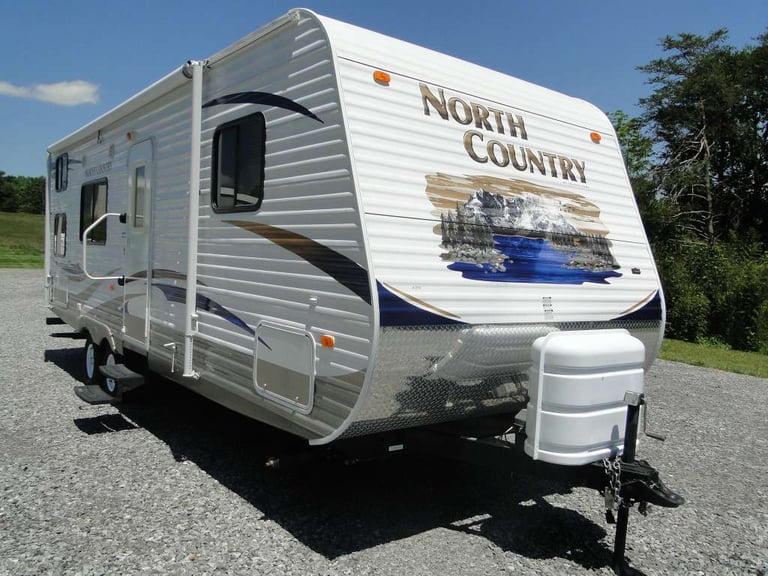
RVHousingPros helps by providing RV temporary housing so families can live on or near their own property while restoration work is underway. This approach keeps you close to your home while avoiding the disruption of relocating to hotels or short-term rentals.
Why Staying on Your Property Matters
Remaining on-site during a North Carolina rebuild provides several important benefits:
Monitor construction progress daily
Communicate easily with contractors
Protect personal belongings
Maintain privacy and independence
Avoid long-term hotel stays
Reduce relocation stress
Being physically present often leads to better communication with contractors and faster decision-making when questions arise during the rebuild. It also allows homeowners to keep an eye on materials, deliveries, and overall job progress without relying solely on updates from third parties.
For many families, staying near home makes a difficult situation more manageable and less disruptive, especially when dealing with insurance claims, timelines, and coordination between multiple parties.
RV Temporary Housing on Residential Property
Travel trailers can often be placed directly on residential property, depending on local zoning and utility availability. In many cases, temporary placement is allowed during active repairs, particularly when tied to an insurance claim or permitted rebuild. RV housing allows families to:
Sleep on-site
Prepare meals
Maintain routines
Keep pets with them
Stay connected to neighbors and community
Unlike hotels, RV living provides a more complete day-to-day living environment. Families can maintain normal schedules, avoid frequent packing and unpacking, and continue daily life with fewer interruptions.
This option is especially valuable in rural or suburban areas where rental housing may be limited, expensive, or located far from the property. It also eliminates commute time back and forth to the job site.
Utility Planning
Homeowners or renters are responsible for providing the necessary utility hookups at the placement location. This typically includes:
Electrical power
Water connection
Sewer or septic access
In some cases, temporary solutions such as generator power, water tanks, or scheduled septic service may be used depending on the property setup and local requirements.
RVHousingPros can assist with planning and provide general information on code-approved temporary utility solutions that may be used during rebuilding. We help identify what is typically needed so you can prepare the site efficiently.
Final installations, permits, and approvals are handled by licensed contractors or local authorities to ensure everything is compliant and safe for use during the duration of the stay.
Insurance Coverage for On-Site Living
In many cases, homeowners insurance policies cover RV temporary housing when living on the property during repairs. This coverage is usually part of loss of use or additional living expenses benefits.
Depending on the policy and claim details, insurance may cover:
RV rental
Delivery and setup
Utility-related costs in some situations
Extended stays during rebuilding
Each claim is different, and coverage limits, duration, and approval requirements will vary. Insurance carriers may require documentation or justification for on-site housing versus off-site accommodations. We can help with documentation and placement details when insurance coverage is available, making the process smoother for both the homeowner and adjuster.
Who On-Site RV Living Is Best For
Living on your property during rebuild is commonly used by:
Homeowners after house fires
Families displaced by storms or floods
Rural property owners
Long-term reconstruction projects
Insurance claimants needing stability
It is particularly beneficial for homeowners who want to stay closely involved in the rebuild process or who have unique needs that make traditional housing less practical. It provides a practical alternative to hotels or off-site rentals during extended repairs, especially when timelines are uncertain or frequently changing.
Real Example
In one case, a rural family was able to stay on their property during fire repairs using a temporary RV setup, including utility connections and scheduled septic service. This allowed the homeowner to meet contractors daily, monitor progress, and avoid the stress of relocating their family and pets to multiple temporary locations.
When This Works Best
rural properties
longer rebuild timelines
families with pets
limited local housing
This setup tends to work best when the property has enough space for placement and when the rebuild is expected to take several weeks or longer. It is also ideal for situations where maintaining proximity to the home is a priority throughout the construction process.
Related Temporary Housing Services
Temporary RV Housing — Done Right.
Helping displaced homeowners across the Carolinas.

© 2016–2026 RVHousingPros | Legal & Privacy